
£6bn Mersey barrage poses ‘huge risk’ to wildlife
Last week LBN reported Liverpool city region’s maritime sector had ‘major concerns’ about the £6bn Mersey Tidal Power project – and now claims have emerged the proposed barrage poses a ‘huge risk’ to wildlife. Tony McDonough reports
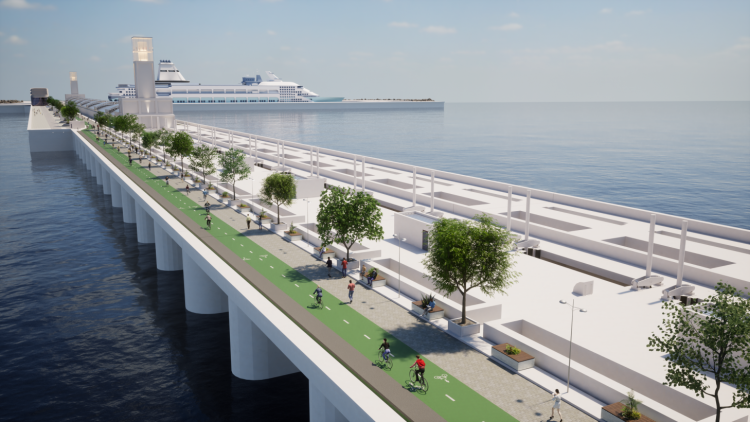
Metro Mayor Steve Rotheram’s plan to build a £6bn barrage across the River Mersey to generate more than 100 years of clean electricity – but concerns about the project are growing.
Britain’s best known-bird charity, the Royal Society for the Protection of Birds (RSPB), has written an article in which it says the barrage “would probably represent one of the most environmentally damaging developments in the estuary”.
Last week LBN exclusively revealed that nine leading Liverpool city region maritime businesses, including Port of Liverpool owner Peel Ports and Birkenhead shipyard Cammell Laird, had written to the mayor expressing major concerns.
Although they support Mersey Tidal Power in principle they claim the preferred location, believed to be close to Everton’s new stadium at Bramley Moore Dock, threatens to cause major disruption to shipping on the river.
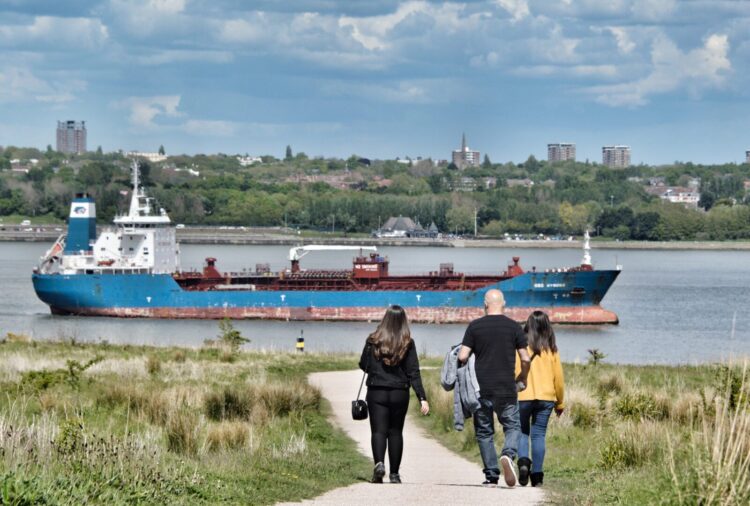
There are around 15,000 shipping movements in and out of the estuary every year with multiple terminals and facilities upriver of the proposed barrage at Liverpool, Birkenhead, Bromborough, Eastham, Ellesmere Port and Garston.
This barrage would include lock gates to let shipping in and out but maritime firms fear that could cause delays and become a major disincentive to new investment into the maritime sector and, in particular, the LCR Freeport.
In the letter to the Mayor the nine businesses – Peel Ports, Cammell Laird, Peel Ports Logistics, Stena Line, Isle of Man Steam Packet, UM Terminals, Exolum, NW Trading (Logistics) and Finsa UK – say “we are not being listened to”.
Now it has emerged the RSPB has published an article on its website entitled Defending the Mersey Estuary, the RSPB claims the barrage could be “seriously damaging for wildlife”.
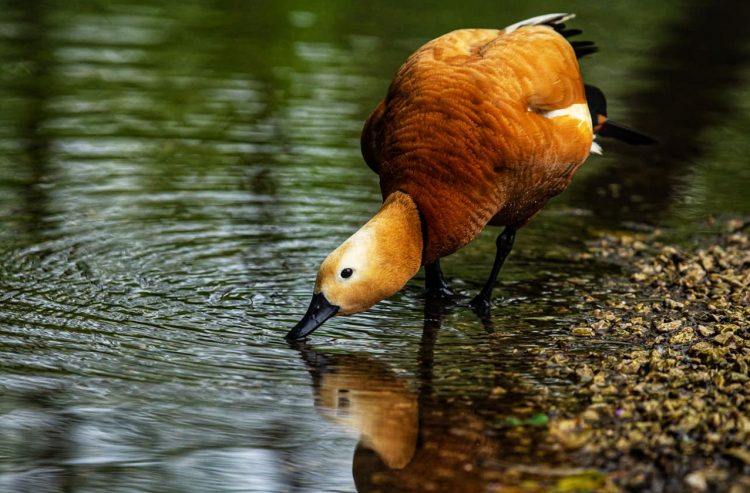
It said the estuary supports more than 100,000 non-breeding waterbirds, and is designated for common shelduck, dunlin, black-tailed godwit, common redshank, Eurasian teal, northern pintail and European golden plover.
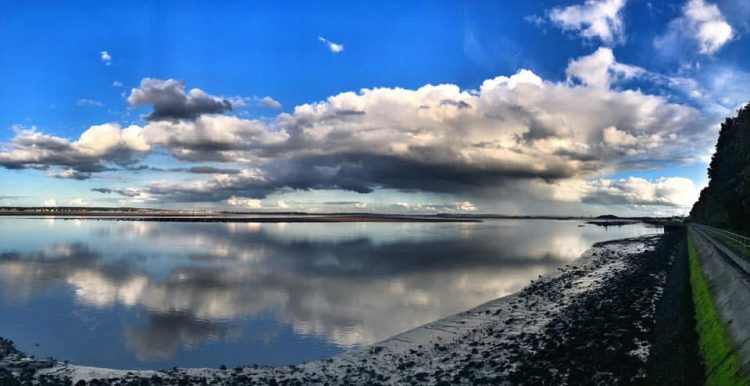
The estuary also supports salt marsh, mudflats, is home to the European eel, one of only two globally threatened species in the UK and has played a role in the recovery of the Atlantic salmon population.
“The Mersey Barrage proposal, if developed, would probably represent one of the most environmentally damaging developments in the estuary and could pose a huge risk to the species and habitats which make this place so special,” the article said.
It goes on: “We are deeply sceptical that a barrage can be delivered without serious damage to the Mersey Estuary, and its wildlife. Experience from other barrage projects also suggests such a proposal is likely to have unacceptable costs to the public.
“We are in a climate and nature emergency – these two issues are inextricably linked. Climate change is one of the greatest threats to nature and people – we are seeing more extreme weather, destruction of habitats, and volatile food availability as temperatures change.
“While we recognise the need for projects that reduce carbon emissions and manage future flood risk, these must be done in a way that enhances the environment and has positive social impacts.
“The reality of the Mersey barrage is that it would likely result in serious damage to the Mersey’s protected sites and their important habitats and species.”
In 2024 the Cheshire Wildlife Trust expressed its concerns over the project. It posted: “With potentially fewer coastal wetland habitats around the estuary, there is a risk that heavy rainfall, combined with high tides, could mean that Merseyside and Warrington may sustain more intense river flooding.
“Such a result would not only be devastating for wildlife but could cause millions of pounds in damage and potentially even displace people from their homes.”
A spokesperson for the Liverpool City Region Combined Authority said: “We are very conscious of how a tidal barrage could interact with the Mersey estuary and understanding that interaction is a key focus of the project.
“That’s why we are carrying out significant work to understand the current environment as well as potential future threats from external factors such as sea level rise due to climate change.
“As part of the formal planning process we have informed the Planning Inspectorate about how we intend to carry out the Environment Impact Assessment (EIA) for the project across the 27 areas we believe require consideration.
“We are now working toward the next phase of Preliminary Environmental Information (PEI) ahead of submission of the final EIA as part of the Development Consent Order process.
“This is in addition to extensive environmental surveys of key habitats and species within the estuary and Liverpool Bay that have been carried out over the last four years, including survey work on intertidal birds, fish, marine mammals, and supporting habitats with further surveys planned.
“Over that period we have also had significant engagement with the key environmental stakeholders in the region through 15 workshops and 121 engagements with statutory environmental bodies as well as groups including the RSPB, The Wildlife Trusts, Mersey Rivers Trust, Mersey Gateway Environmental Trust, Mersey Estuary Conservation Group and others.
“There are important considerations at play here. We know we are facing significant environmental pressures on a regional, national and global scale and that we need to develop sustainable electricity production solutions as part of our response.
“We know that rising sea levels are a significant threat to housing, critical infrastructure and protected intertidal habitats in the Mersey estuary such as salt marshes.
“A barrage would not only generate significant amounts of energy but would also control the water levels in the estuary, providing flood protection to around 60km of estuary coastline.
“Ultimately these are vital challenges that are not just an issue in Liverpool city region but will need to be addressed around the world. Mayor Rotheram has always been absolutely committed to developing this transformational project with detailed consideration of the environment while exploring opportunities for protection and enhancement.”