
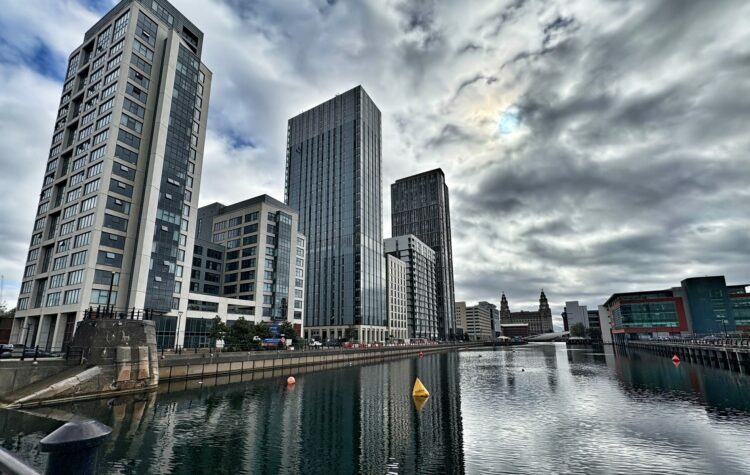
Work on the Leeds Liverpool Canal began in 1770 and it was a key piece of infrastructure during the Industrial Revolution – and now it is playing a vital role in Liverpool’s low carbon future. Tony McDonough reports
Infrastructure built in the 18th and 19th centuries is playing a vital role in Liverpool’s low carbon future, helping to supply warmth and hot water to the city’s waterfront.
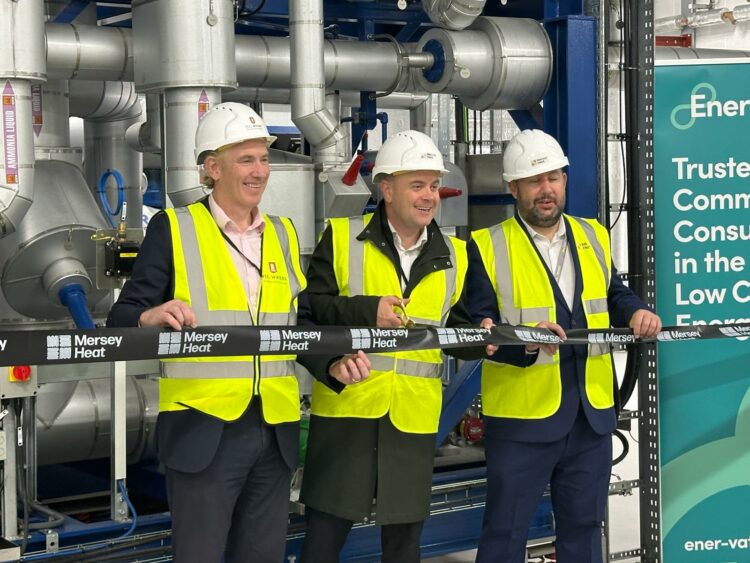
In the last few days the new Mersey Heat Energy Centre in Liverpool Waters has been officially opened. This will supply low carbon heating and hot water to the Liverpool Waters development and surrounding landmark buildings.
Costing millions of pounds, the system uses heat pumps to extract energy from the water in the Leeds Liverpool Canal to deliver heat to a district network. The pumps and extraction equipment are housed in the original Victorian Pump House.
Heat networks, common in countries such as Denmark, have been identified by the UK Government as a crucial part of how the UK will reach net zero and one of the most cost-effective ways of decarbonising heating in built up areas.
Using a water source heat pump to heat buildings is three times more efficient than using electricity for heating and has the potential to reduce carbon emissions by up to 90%.
Originally the heat network was conceived to supply heating and hot water to buildings in Liverpool Waters. But in March LBN reported the city council had secured £1.6m from the Public Sector Decarbonisation Scheme to connect its Cunard Building HQ to the system.
George’s Dock Building and the Museum of Liverpool will also be connected allowing those buildings to move away from gas. The network will also connect with a sister scheme at Royal Albert Dock.
It is already supplying the Liverpool Waters site, Torus’ Hartley Locks development, the Titanic Hotel and the Tobacco Warehouse apartments.
Cllr Liam Robinson, leader of Liverpool City Council, said: “The launch of the Mersey Heat Energy Centre is a landmark moment in Liverpool’s journey towards a cleaner, greener future.
“It is a visible example of how Liverpool is leading the way on low carbon infrastructure, protecting historic buildings, cutting emissions and creating long term green value for our communities.
“Liverpool has long been a leader in climate action, and this project reinforces our commitment to achieving net zero. It’s not just about infrastructure, it’s about creating a legacy of sustainability that benefits our communities, our economy, and our environment.
“I’m proud to see this vision and investment come to life, creating jobs in the emerging green economy.”
READ MORE: Work starts on £35m town centre bus interchange
Ener-Vate, Peel’s district heat network specialist, worked with Vital Energi as the Design, Build, Operate and Maintain contractor on the scheme, delivering the technical and operational capability needed to bring the energy centre into service.
The council is also participating in the Department for Energy Security and Net Zero Advanced Zoning Programme and plans to go to market by the end of the financial year to procure a Zone Developer to roll out further heat networks across Liverpool.
Comments are closed.