
Big Fang to continue expansion despite losses
Liverpool-based national leisure operator Big Fang Collective issues bullish update on continued expansion despite reporting annual pre-tax losses of £1.4m. Tony McDonough reports
Liverpool leisure operator Big Fang Collective says it intends to add to its seven UK sites despite reporting a fall in revenues and £1.4m pre-tax losses.
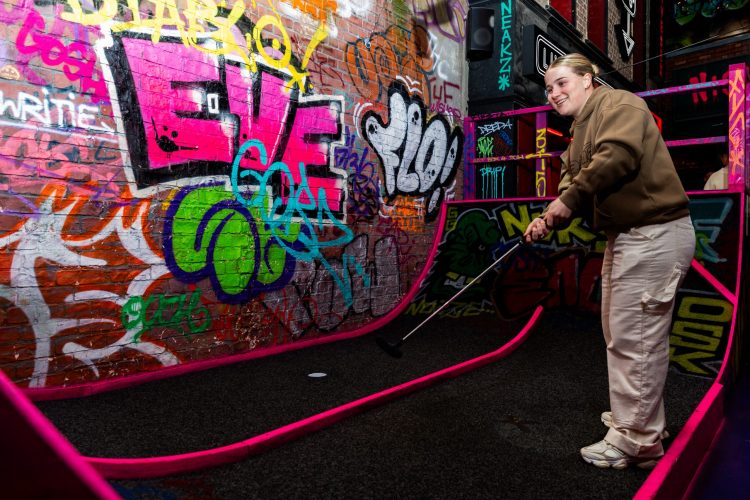
Big Fang opened its first crazy golf concept, Ghetto Golf, in Liverpool in 2016. It now operates in seven cities including Birmingham, Newcastle, Glasgow, Sheffield, Cardiff and Nottingham, its most recent addition.
In its annual accounts for the 12 months to December 31, 2024, posted on Companies House, is reporting revenues of £14.7m, down from £15.5m in the previous year. The £1.4m pre-tax loss compares to a £208,477 profit in 2023.
However, in a bullish update director and co-owner Christopher Piper hails the “strong trading ability” of the group.
“The continuing success of our existing sites and the strong performance of our new addition in Nottingham demonstrates the opportunity for the collective to increase the number of its venues across the UK,” he writes in the annual report.
“(With) An exciting pipeline of new sites for consideration we expect to add a number of new venues to our estate.”
Employing almost 250 people, Big Fang’s venues offer a combination of crazy golf, DJs and signature cocktails inside a cathedral of graffiti. It has expanded its proposition with multiple concepts.
In 2022 private equity leisure investor IMBIBA ploughed £5.5m into the business. The company has also used a £5.5m cash injection it secured from SME lender ThinCats to fund its expansion.
Christopher Piper owns the business along with fellow director Daniel Bolger. The accounts show the company paid out dividends totalling £276,500 during the trading period.
READ MORE: Alfred H Knight upbeat despite fall in profits
READ MORE: £200m milestone ‘would have made dad proud’
In the accounts Christopher also acknowledged the challenges of the economy. He added: “The hospitality industry is facing significant inflation cost pressures across both drink and payroll costs, as well as the impact of increased energy costs.
“Compounded by reduction in consumer spending, a cost of living increase presents a challenge for the sector in which we operate.”