

Liverpool city region is to spend £40m to slash carbon emissions at 35 public buildings including Cunard Building and Georges Dock Building. Tony McDonough reports
Historic waterfront sites will be among 35 Liverpool city region public buildings to benefit from a £40m programme to slash carbon emissions.
In a major push to reach its net-zero-by-2035 target, the Combined Authority will implement a number of measures at historic buildings, town halls, leisure centres and libraries to cut CO2 emissions by half.
As part of the project, Cunard Building, headquarters of Liverpool City Council, and Georges Dock Building, which houses the ventilation machinery for the Mersey Tunnel, on the waterfront will be connected to the Mersey Heat Network.
This network has been built by Peel to provide low carbon heating and hot water for homes and businesses in its Liverpool Waters development. It draws water from the Leeds-Liverpool Canal.
READ MORE: City region traffic lights upgrade saves cash and carbon
READ MORE: Peel Ports Logistics sees profits surge 43% to £3m
Work is already under way at Bootle Leisure Centre, Bootle Library, Wirral Country Park, Prescot Soccer Centre and Landican Cemetery to install low‑carbon heating systems and complementary measures.
These include insulation upgrades, solar and modern building controls, with eight buildings expected to be completed by March.
Buildings account for most carbon emissions, with public buildings responsible for 13% of the total. Together, the city region’s six local authorities and the Combined Authority own more than 600 buildings that emit almost 77,000 tonnes of CO2.
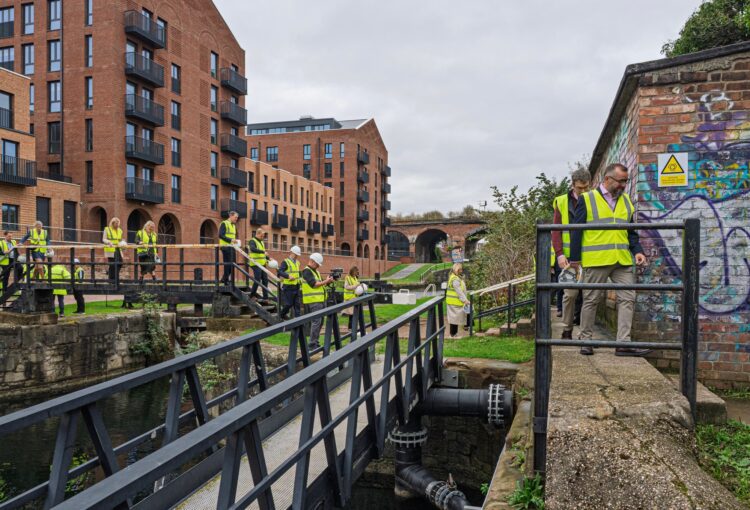
Cllr Anthony Burns, Liverpool City Region Cabinet Member for Net Zero, said: “Cutting carbon is one of the most important ways we can improve people’s everyday lives, and this programme shows the scale of our ambition.
“By transforming our civic buildings, we’re reducing emissions, lowering energy bills and future‑proofing public services for decades to come.”
The Combined Authority has secured £36m from the Public Sector Decarbonisation Scheme. With additional funding from local authorities, a total of more than £40m will go towards the cost of the project, saving around 21,500 MWh per year and cutting emissions by more than 50%.