

Work starts to connect three of Liverpool’s most prominent waterfront buildings to a low carbon heat and hot water network that utilises the Leeds-Liverpool Canal. Tony McDonough reports
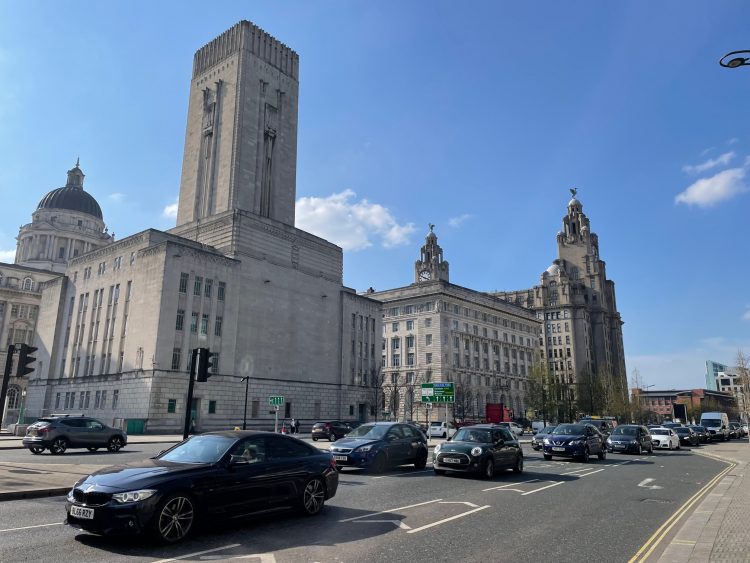
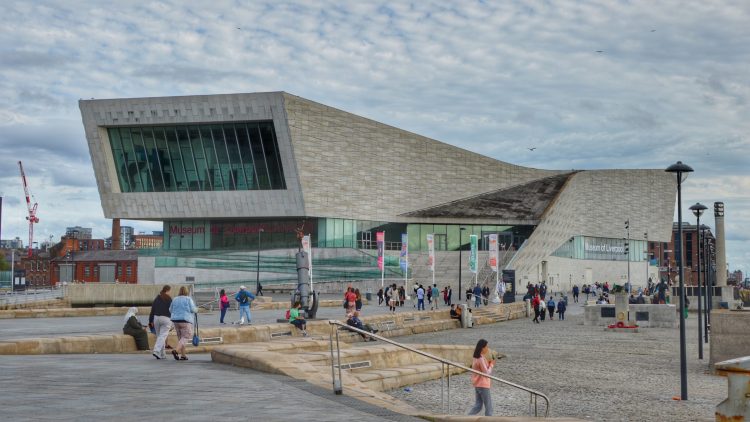
Three of Liverpool’s best-known waterfront buildings – Cunard Building, George’s Dock Building and the Museum of Liverpool – are set to be connected to a low carbon heat network.
Peel, owner of the Liverpool Waters development, has built a heat network that supplies low carbon heating and hot water to the estate. Water source heat pumps draw water from the Leeds-Liverpool canal via a newly-built pumping station.
Heat networks, common in countries such as Denmark, have been identified by the UK Government as a crucial part of how the UK will reach net zero and one of the most cost-effective ways of decarbonising heating in built up areas.
Buildings already connected to the 6km network include commercial offices at Princes Dock, the Titanic Hotel, Tobacco Warehouse and Torus Housing’s Hartley Locks development.
This latest work extends the network by 2km to the Pier Head. Georges Dock Building and the Cunard Building, home to Liverpool City Council, are being connected to the network by October 2026, with the Museum of Liverpool following in March 2027.
Peel Group has worked with specialist firms Vital Energi and Ener-Vate to create the network. This latest project has secured around £2.2m of funding through the Heat Networks Investment Project and £3m through the Public Sector Decarbonisation Scheme.
Once complete, the extension is expected to save around 8,600 tonnes of carbon emissions annually against gas.
David Tatton, investment director at Peel Group, said: “Extending the Mersey Heat network demonstrates the growing appetite for low carbon infrastructure across the city.
“When we opened the Energy Centre last year, we always had ambitions to expand the network beyond Liverpool Waters, and today’s groundbreaking shows that vision becoming reality.
“These are buildings that really matter to Liverpool and connecting them to the heat network will play an important part in the city’s journey to net zero.”
Last week LBN revealed that Liverpool City Council is pushing on with plans to build low-carbon heat networks across the city.
READ MORE: City region invests £40m decarbonising buildings
Council leader Liam Robinson added: “Seeing Liverpool’s commitment to net zero progress to three of our key landmarks is a huge step forward in assuring a cleaner future, and a great example of how the public and private sectors can work together to do that.
“Liverpool City Council has already launched the procurement process for a new programme focused on an even wider area of the city centre.
“By developing an additional district heat network, we’re expanding access to affordable, reliable heating and helping more households escape fuel poverty.”
Comments are closed.