
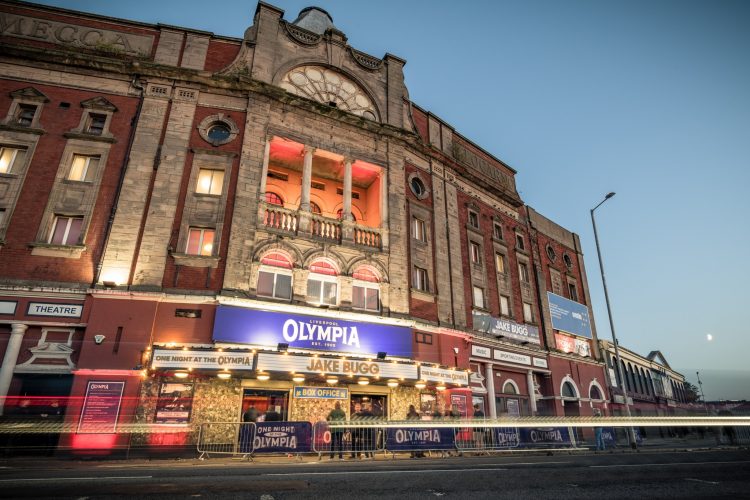
Start of new era for 120-year-old iconic Liverpool venue
Opening in 1905 the Liverpool Olympia has hosted The Beatles, Little Richard and legendary escapologist Harry Houdini – now it is to enter a new era as a cultural community hub. Tony McDonough reports
For 120 years the iconic Liverpool Olympia has survived through regular reinvention – from circuses to movies, from live music to sporting events and even bingo.
Now the venue in West Derby Road, just outside the city centre and next to the legendary Grafton nightclub, is to enter a new era. It has become a Community Interest Company (CIC) and will be transformed into a cultural community hub.
A CIC is a type of limited company which operates to provide a benefit to the community it serves and ensure that profits made are reinvested to do that. CICs are distinct from charities.
Liverpool Olympia CIC will be committed to creating opportunities for local people to access a range of community, arts, education and training, and engagement activities.
It will work with the local community to ensure it understands people’s needs and wants, and will engage them in developing arts, training and empowerment programmes; ensure equal opportunities in everything it does.
And it will access local, regional and national funding to help achieve its vision to create an accessible and welcoming environment and to make a “positive and tangible difference in people’s lives”.
As custodian of the historic site, it aims to approach funding bodies and foundations to seek financial support to maintain the fabric of the building and bring it back to its former glory.
Liverpool Olympia managing director Chris Zorba said: “I’m proud to collaborate with Liverpool Olympia CIC to preserve the 120-year heritage of this iconic building and ensure its future both as an entertainment venue and community hub.
“Our vision is to continue providing artistic and community programmes, which will now be delivered and developed by the CIC. However, we also see ourselves as custodians of this local asset and want to protect the heritage of the building.”
Designed by Frank Matcham – the British architect responsible for more than 90 playhouses across the country – Liverpool Olympia opened in April 1905 as a purpose-built indoor circus and variety theatre for up to 4,000 people spread across the stalls and three balconies.
Animals were housed in a large basement area, dubbed the ‘elephant pit’, and aquatic shows were staged in a huge tank below floor level which could hold an astounding 80,000 gallons – or more than 360,000 litres – of water.
In the 20th century it hosted legends such as Harry Houdini, The Beatles and Little Richard. In more recent times it has welcomed stars such Robert Plant, Paul Weller and Elvis Costello, The Zutons and, earlier this month, Robbie Williams.
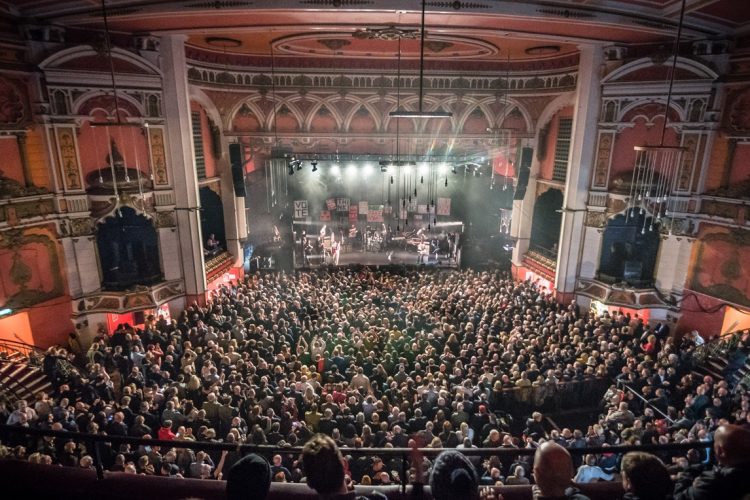
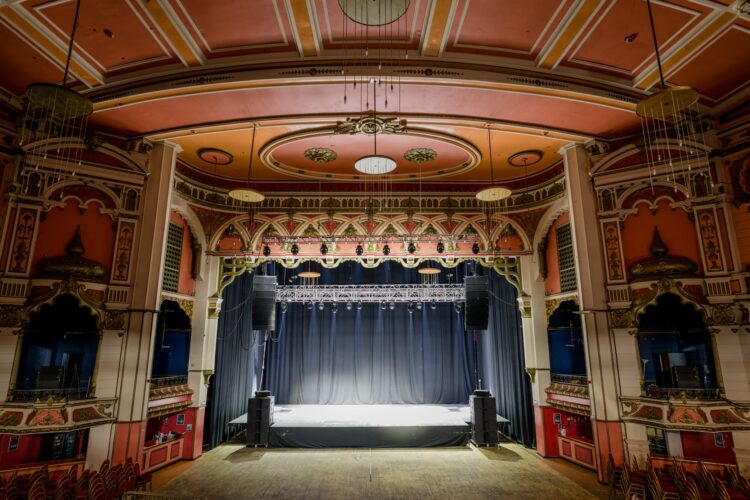
In its time the building has also been a pioneering cinema, one of the first regional picture houses to show talkies; a wartime Royal Naval depot; a famous dance hall – the Locarno – where couples would foxtrot and jive the night away under its grand domed ceiling, and a Mecca bingo hall.
In 1990, the current owners purchased the neighbouring Grafton Rooms and while operating this as a successful nightclub, they began to refurbish the Olympia to bring it back to life after several years of closure.
The venue eventually reopened in February 2000, and along with live music it holds a wide range of other events including club events, sports and comedy, as well as providing an in-demand location for TV shows, films, adverts and music videos such as Peaky Blinders and Tin Star.
READ MORE: You can now Tap & Go on Merseyrail with card, phone and watch
READ MORE: ‘Unusual’ deal values Mersey law firm Fletchers at £240m
Alan Smith, head of heritage preservation and development at Liverpool City Council, added: “Hidden in plain sight, the Olympia is a magnificent example of Liverpool’s architectural treasures.
“The building is the new gateway to the city’s ‘town within a town’ restoration plans that extend from Everton to Bootle and can once again play a leading role in our musical repertoire.”
Comments are closed.