
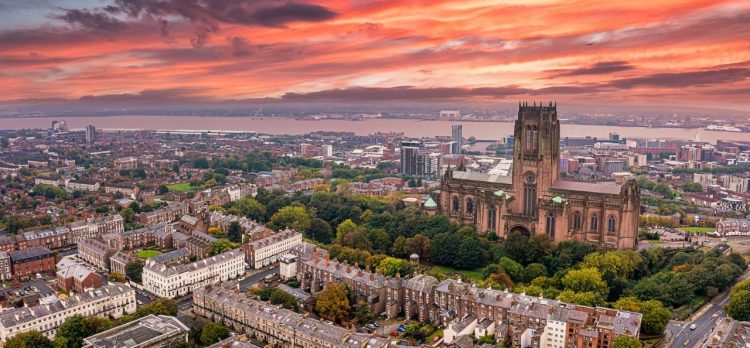
District heat networks are common in countries such as Denmark and can provide low cost, low-carbon heat and hot water – now Liverpool may be about to get its own networks. Tony McDonough reports
Liverpool City Council is pushing on with plans to build low-carbon heat networks across the city.
Heat networks, common in countries such as Denmark, have been identified by the UK Government as a crucial part of how the UK will reach net zero and one of the most cost-effective ways of decarbonising heating in built up areas.
Using a water source heat pump to heat buildings is three times more efficient than using electricity for heating and has the potential to reduce carbon emissions by up to 90%.
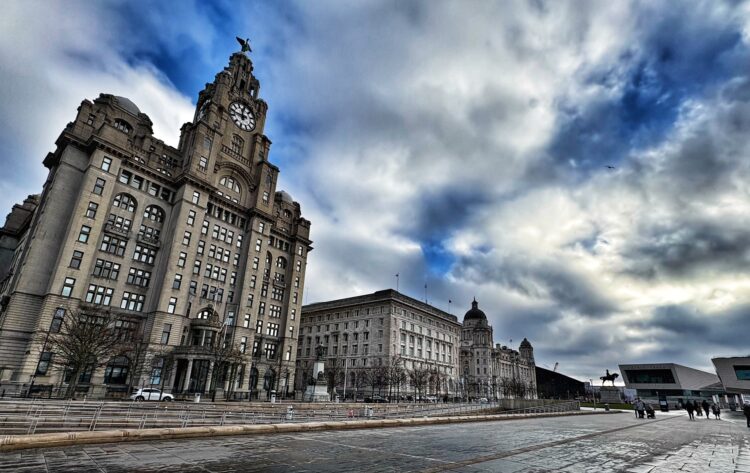
Property giant Peel has created a heat network at its Liverpool Waters development, drawing water from the Leeds-Liverpool canal. As well as supplying homes and businesses in Wirral Waters it will also supply the Royal Liver Building, Cunard Building and the Port of Liverpool Building at the Pier Head.
Now Liverpool City Council is progressing to the next major phase of creating a district heat network through the Advance Zoning Project (AZP), as the formal procurement process has been launched.
This follows a successful bidders day event recently, where potential partners from across the low carbon heat and infrastructure sectors engaged with the council to learn more about the opportunity to create networks across the city.
AZP is part of a national initiative led by the Department for Energy Security and Net Zero to accelerate the rollout of low-carbon heat networks across the UK.
Heat networks distribute heat (often waste heat) from a central source to multiple buildings, offering a cleaner, more efficient alternative to individual boilers.
Council leader Liam Robinson said: “Liverpool is seizing a once‑in‑a‑generation opportunity to transform how our city is heated. Moving into procurement is a major milestone – it means turning ambition into delivery.
“District heat networks are becoming increasingly common and the way for areas of urban density to secure heat.
“The city’s Three Graces are currently being integrated into Mersey Heat – a network which serves the Liverpool Waters development and other landmark buildings along the waterfront, by using energy from the Leeds Liverpool canal.
“Through the Advance Zoning Project, we’ll capture wasted heat, cut carbon emissions, and create real jobs and skills for local people.
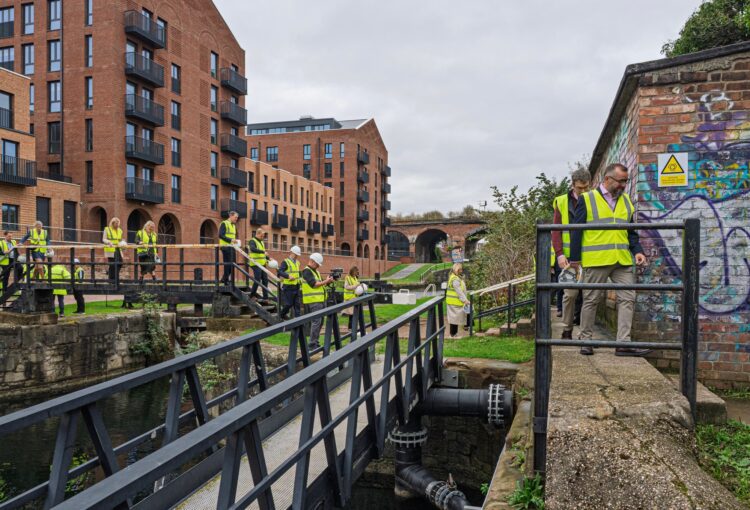
This project brings together local authorities and private sector partners to design and deliver heat network zones before zoning legislation is fully adopted.
The programme uses standardised governance and procurement models to streamline processes and reduce complexity for bidders.
READ MORE: City region invests £40m decarbonising buildings
READ MORE: Hilton Hotel Liverpool up for sale for £60m
Liverpool City Council Cabinet approved the development of AZP last year, when plans were first publicised about how advanced heat networks could transform the way buildings across the city are heated.
The intention is for a selected Zone Developer to build and operate heat networks across Liverpool, starting with a reference scheme and expanding across the city centre.