
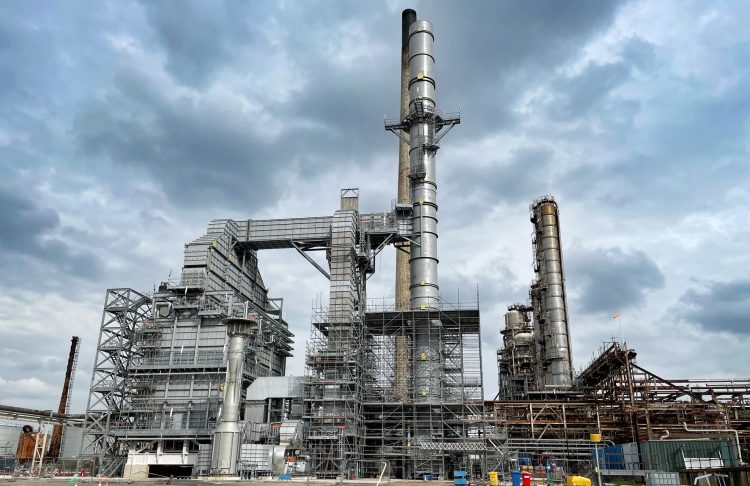
Stanlow refinery owner secures almost £300m
Owner of the giant Stanlow oil refinery close to the River Mersey secures new finance facilities totalling almost £300m to support its growth and decarbonisation strategy. Tony McDonough reports
Stanlow oil refinery owner Essar Energy Transition (EET) has secured financing worth almost £300m with multiple lenders.
EET, which is looking to eventually invest £4.3bn in decarbonising the huge refinery close to the River Mersey, said it had secured new financing worth $(US)400m which is around £297m at the current exchange rate.
UK bank NatWest is providing $(US)175m (£130m) with the same amount from ABN Amro. The remaining $(US)50m (£37m) is coming from Natixis CIB.
Located close to Ellesmere Port the Stanlow oil refinery has one of the biggest economic footprints of any commercial entity in the North West and supplies around 16% of all UK road fuels as well as jet fuel for multiple airports including Liverpool and Manchester.
More than 2,000 people work at the site, with around 1,200 directly employed as well as up to 900 contractors. In the wider economy it supports 5,000 jobs and spends £426m in the supply chain each year
EET’s most recent financial results revealed revenues flat at £7.6bn and pre-tax losses coming in at a hefty £241m. This prompted it to implement a turnaround plan.
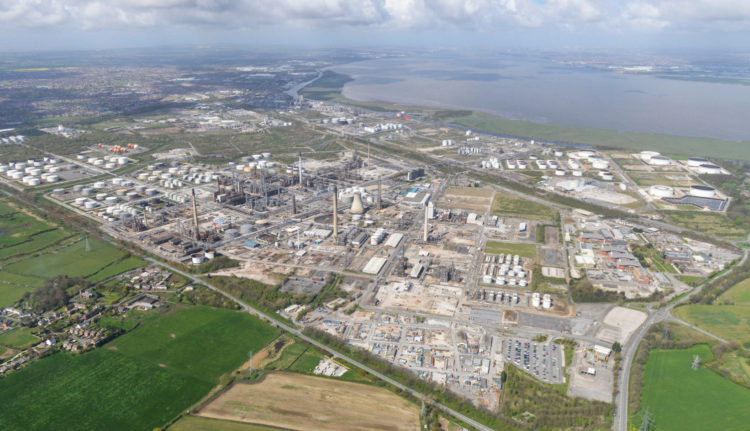
Its latest push is to decarbonise the operations at the plant with £4.3bn being invested to build a hydrogen-led energy transition hub.
This is linked to the wider HyNet project which will produce hydrogen burning natural gas with the CO2 emission to be captured and stored in depleted gas fields under Liverpool Bay.
READ MORE: Davos Liverpool development spree set to continue
READ MORE: Liverpool Airport to push transatlantic connection
Speaking about the latest financing agreements, Satish Vasooja, chief financial officer at EET, said: “Increased commitment from our existing lending banks, ABN AMRO and Natixis, and the addition of NatWest, supports EET’s strategy and demonstrates the delivery of business performance.
“This provides us with enhanced liquidity during the volatile market conditions and completes our receivable financing programme that will deliver an optimised and stable capital structure.”