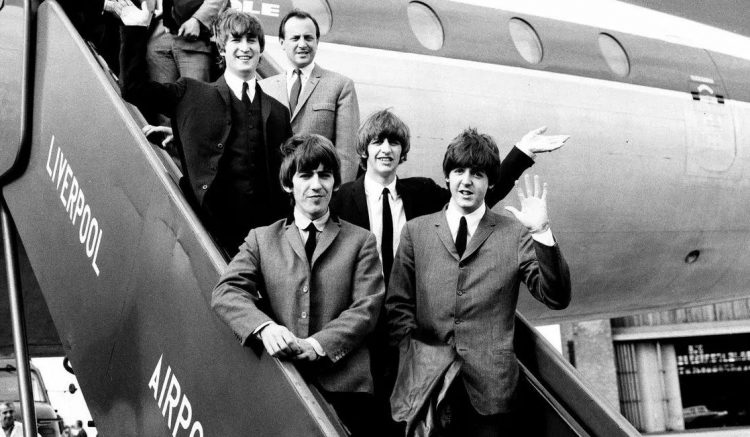
It has been just over 56 years since The Beatles broke up for good but the Fab Four’s legacy is still boosting Liverpool’s economy by more than £200m a year, a new report claims. Tony McDonough reports
A new report claims visitors attracted to Liverpool by The Beatles generate a Fab £211.3m every year for the city’s economy.
It has been just over 56 year since The Beatles broke up, in April 1970, but their legacy lives on in the city in the form of a thriving tourist industry. And with a new 100,000 sq ft attraction set to open in 2028 that industry is set to keep on growing.
Paul McCartney, John Lennon, George Harrison and Ringo Starr are described as “four lads who shook the world” by Liverpool artist Arthur Dooley on his artwork in Mathew Street, the birthplace of The Beatles.
And the Beatles Impact Study, commissioned by The Beatles Legacy Group and Liverpool Business Improvement District (BID), clearly shows they are also causing tills across the city’s visitor economy to ring constantly.
This analysis uses visitor data from hotels, hospitality, attractions, transport and the visitor economy to assess the impact of The Beatles tourism. It found The day visit market is estimated at being worth £12.3m, the domestic staying market is £58.6m. The overseas staying market is £140.4m.
International Beatles Week in August is obviously a major draw but the report outlines how the Fab Four are generating income for the city all year round.
And with Apple Corps, which looks after The Beatles commercial interests, taking over the Beatles Story attraction and moving it from the Royal Albert Dock into 100,000 sq ft at St Johns Shopping Centre and Beacon in 2028, the crowds are expected to keep on coming.
Peter Hooton, frontman of Liverpool band The Farm and chair of the Beatles Legacy Group, said: “The Beatles Legacy Group was formed after the first economic impact report in 2016, so we felt it was the right time to do another updated review in the tenth anniversary year.
“The Beatles attract so many visitors to the city that it is important to know their economic impact as well as their cultural effect.
“With new Beatles attractions planned in 2028 and a series of documentaries and films in production, this is a timely reminder of the importance of our most famous sons to the Liverpool tourist economy.”
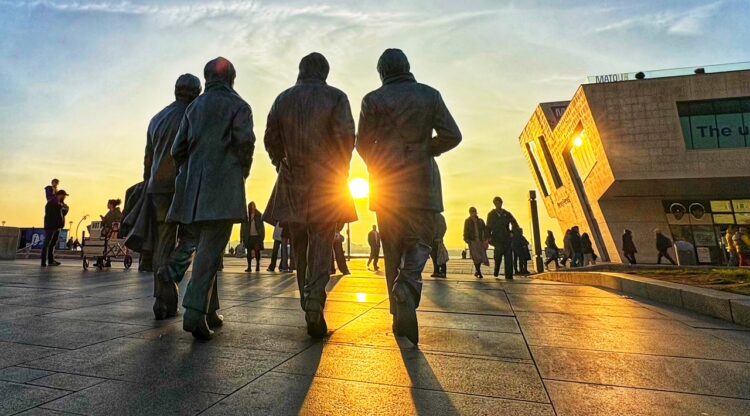


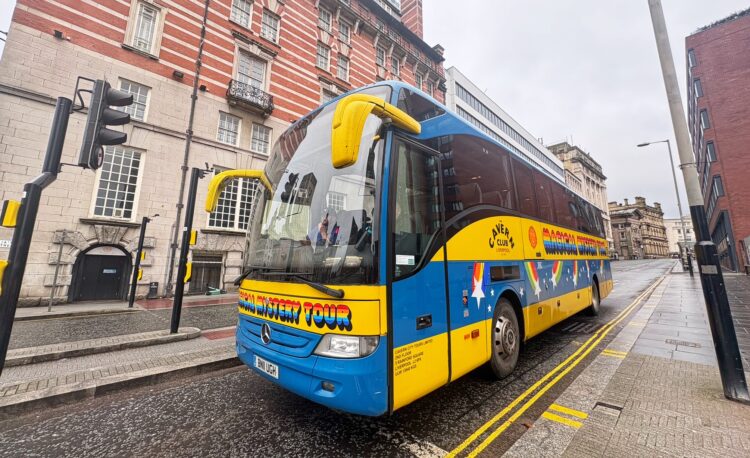
Core network of the ‘Beatles economy’ includes The Beatles Story, the Cavern and Magical Mystery Tour, Liverpool Beatles Museum, Strawberry Field, the National Trust childhood homes, Penny Lane and Arnold Grove.
And in a further sign of the ongoing money-making potential, in October LBN revealed owners of the world famous Cavern Club, Cavern City Tours, had sold the business to a London-based investor following a “standout” financial year which saw revenues rise above £12m and the firm’s net assets valued at £21m.
This report cites the value of the relationships between the businesses and the hotels, with accommodation providers often raising the profile of tours and attractions, offering attraction tickets and connecting staying visitors with specialist operators.
The cruise liner market is noted as being especially important, particularly with packaged excursions and visits.
According to the report, an international Beatles fan, coming to stay in the city and visit the sites will spend £618. A UK based domestic city breaker, coming to visit because of the Beatles will spend £360.
BID chief executive Bill Addy added: “We know the value of this economy to the city’s hospitality and business community, so from a strategic position, maximising those opportunities is an important approach.
“It’s vital the city works together to both maximise the opportunity for economic impact, but also to ensure that the tourism works for both the city, its businesses and its residents.”
Comments are closed.