
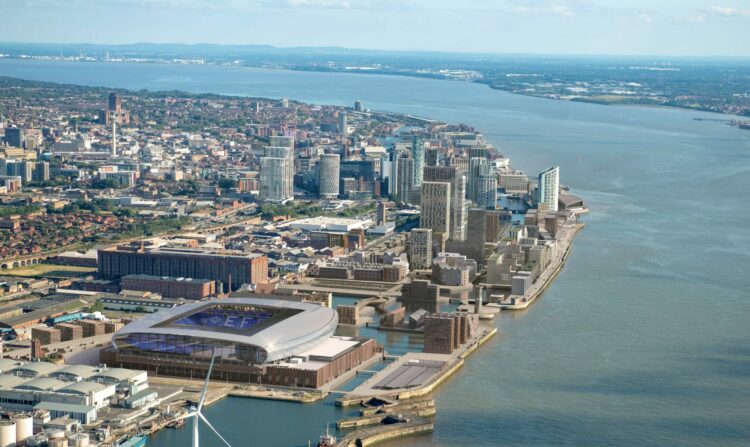
Liverpool Waters has evolved significantly since its original masterplan was approved 13 years ago, and was the main factor in the city losing its World Heritage Status – now the council has approved a new masterplan for the site. Tony McDonough reports
Property development in Liverpool is so often at the centre of debate, disagreement and controversy – people are fiercely protective of the city’s architectural heritage.
However, there are many who understand the city cannot be preserved as a museum piece and must grow and evolve its economy and built environment. And few developments have triggered argument and discussion more than Liverpool Waters.
On Tuesday morning councillors on the city’s planning committee approved the latest revised masterplan for the location which used to be home to a big chunk of Liverpool’s northern docklands.
Property giant Peel first unveiled its £5.5bn vision for Liverpool Waters in 2007, offering a vision of a spectacular skyscraper cluster on Liverpool waterfront. It comprised 21m sq ft of commercial and residential space across the 60-hectare site, including 23,000 apartments.
However, the scale of the project meant a masterplan wasn’t submitted to the council until 2012. Councillors approved outline consent and in 2013 the Secretary of State Eric Pickles gave the final green light.
However, as soon as the city council had given outline consent the mighty UNESCO swung into action and placed Liverpool on a World Heritage danger list. The waterfront had secured World Heritage Status (WHS) back in 2004.
Although Liverpool Waters wasn’t technically within the WHS zone, UNESCO felt the impact of multiple high rise buildings on the waterfront, and particularly the Three Graces at the Pier Head, would be too much.
Throughout the 2010s there were multiple back and forth discussions between Liverpool and UNESCO. A number of business and political leaders, including the then elected Mayor Joe Anderson, thought the agency a little too high and mighty.
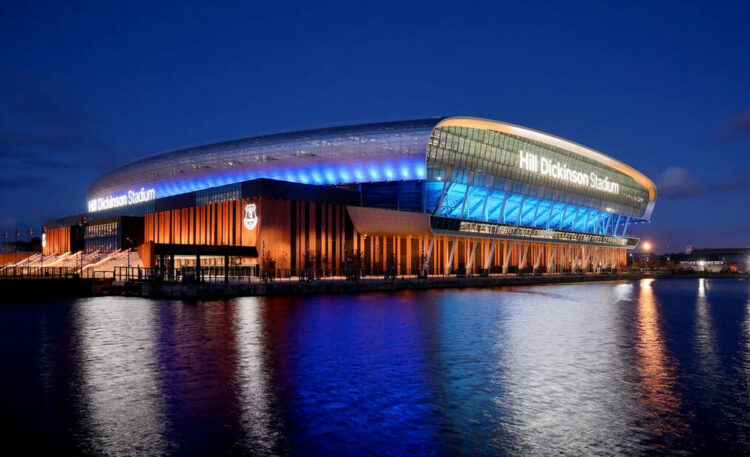
Peel did agree to changes to the plan, reducing the height of some of the proposed buildings but the impasse remained and the final straw for UNESCO was approval for Everton FC’s now completed Hill Dickinson stadium.
It objected to the proposed filling in of the Grade II-listed Bramley-Moore Dock with 450,000 to 480,000 cubic metres of sea-dredged sand. However, the project went ahead and in July 2021 Liverpool was finally stripped of its WHS badge.
Many business leaders felt that was ultimately good for the city has it freed it up to develop in a way that best suited its own economic interests.

There has also long been concern about the pace of development at Liverpool Waters but Peel always stressed it was a 30-year project and would inevitably be subject to changes in demand on both the residential and commercial property markets.
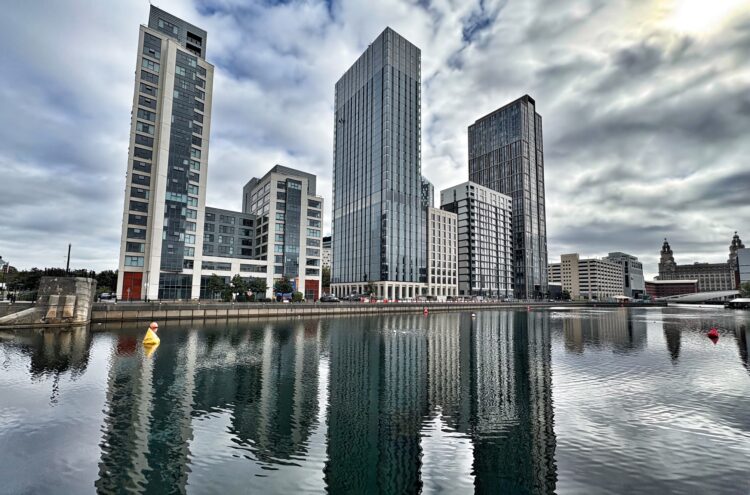
As well as the stadium there has seen significant development in Princes Dock with several high-rise residential buildings now dominating the skyline. Developer Romal has also been busy building hundreds of apartments just beyond Prince Dock.
Here the Isle of Man Government has also built a new Isle of Man Steam Packet ferry terminal and work is now well under way on £81.1m of infrastructure works at Central Docks to make way for up to 2,350 new homes and commercial space.
Just outside the Liverpool Waters zone, on what is currently the King Edward Industrial Estate, work has started on the first of 10 skyscrapers, one 70-storeys high, in the £1.2bn Kings development.
This updated masterplan also builds upon key themes that emerged through public consultation, including the creation of more public realm, enhanced green space, improved walking and cycling routes and greater connectivity.
READ MORE: Liverpool office market remains subdued
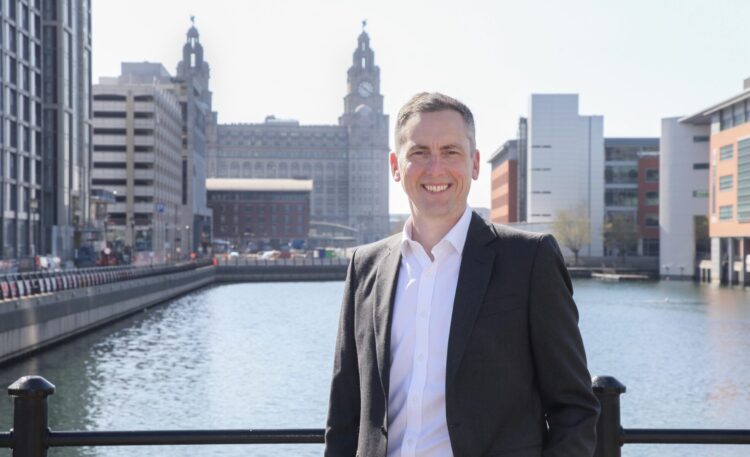
James Whittaker, managing director of Peel Waters, said: “The approval of the updated Liverpool Waters masterplan marks another major milestone in the transformation of Liverpool’s northern waterfront.
Since the original masterplan was approved in 2013, we have delivered significant progress across the site, including new homes, public spaces, leisure destinations, major transport infrastructure and the new Everton Stadium, helping establish Liverpool Waters as one of the UK’s most ambitious regeneration projects.
“This updated framework reflects the considerable investment already made by Peel Waters and our partners, while providing the flexibility needed to respond to evolving market demand and future opportunities.”
Comments are closed.