
Boss of Liverpool building firm Frank Rogers says the costs of complying with the Building Safety Act is the biggest challenge facing the industry and is urging companies in the sector to ‘get ahead of the game’. Tony McDonough reports
Government estimates put the extra costs for the UK construction of complying with the Building Safety Act (BSA) 2022 at almost £3bn over the next 15 years.
That is a significant amount of money for an industry already battling major economic headwinds. But the managing director of Liverpool building business Frank Rogers says firms can minimise costs by taking a proactive approach to compliance.
Ministers introduced the BSA following the Grenfell tower block fire in 2017 which claimed 72 lives. It represented a seismic shift in UK construction regulation with stricter duties, extended liabilities, and heavy criminal sanctions for non-compliance.
Another consequence of the Act was the establishment of the Building Safety Regulator (BSR). It was granted full statutory powers to overhaul the UK construction and building control sectors.
In May, Liverpool-based Downing construction revealed it had set aside £17.3m of potential contract obligations on completed projects, a majority of which related cladding and fire safety issues covered by the BSA.
In the same month Liverpool developer Integritas raised an extra £32m to complete two local developments with chief executive Mitchell Walsh saying the introduction of the Building Safety Regulator has created a “far more complex landscape”.
Based in north Liverpool, Frank Rogers has been in business for more than half a century and works across the city region and wider north west. Managing director Dean Rogers and his team have seen first-hand how the BSA is catching out companies in the construction industry.
He told LBN that the BSA is now “a fact of life” and extra compliance costs are now inevitable for every operator in the sector.
However, he insists those costs can be minimised if developers and construction firms take expert advice and make themselves fully aware of their obligations. Dean said: “Proactive compliance is the only reliable way to mitigate these risks.
“I think in the early days following the introduction of the act, some companies tried to stick with their old ‘business as usual’ approach. But the BSA and the regulator have teeth. No one wants a repeat of Grenfell and so the law is being strictly enforced.”
Key duties of the BSA include: Ensuring building work complies with all building regulations, taking all reasonable steps to secure compliance, communicating effectively with other dutyholders and verifying that appointed dutyholders have the necessary skills, knowledge, experience and behaviours.
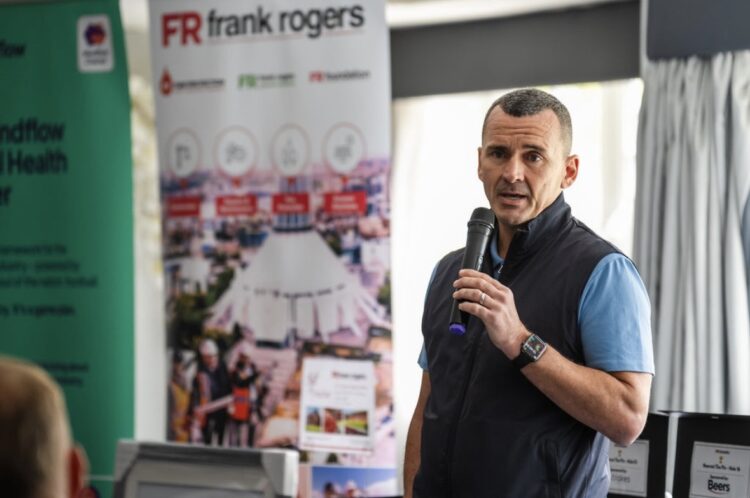
“There are practical steps that can be taken to minimise exposure to risk,” added Dean. “It is critical those leading projects conduct thorough due diligence and maintain documented evidence of competence assessments before appointments.
“It is also vitally important to avoid assuming roles without adequate resources or expertise. And robust internal policies are also very important. There needs to be proper training and audit trails that demonstrate ongoing competence.”
The BSA highlights what it calls the “golden thread” of information. This is a mandatory digital, accessible, and up-to-date record of design, construction, and maintenance information.
READ MORE: Taylor Wimpey plans £24.3m Mersey housing project
READ MORE: Magenta secures funding for 14 new Wirral homes
Dean concluded: “The BSA is not an obscure piece of legislation to pay lip service to. It is a powerful set of principles and regulations that aim to foster a culture of accountability and competence across the development and construction sector.
“As a business, we have embraced compliance by embedding training, technology and disciplined record-keeping into our day-to-day operations. We believe this is essential not only for meeting obligations, but for staying ahead in an increasingly demanding industry.”
Comments are closed.