
Specialist Liverpool manufacturer and exporter Matrix Polymers reduces its annual losses from £3.8m to £900,000 and reports a sharp improvement in trading in 2026. Tony McDonough reports
A specialist Liverpool manufacturer that exports its polymers to plastic product makers across the world is reporting annual revenues of £113.1m and reduced losses.
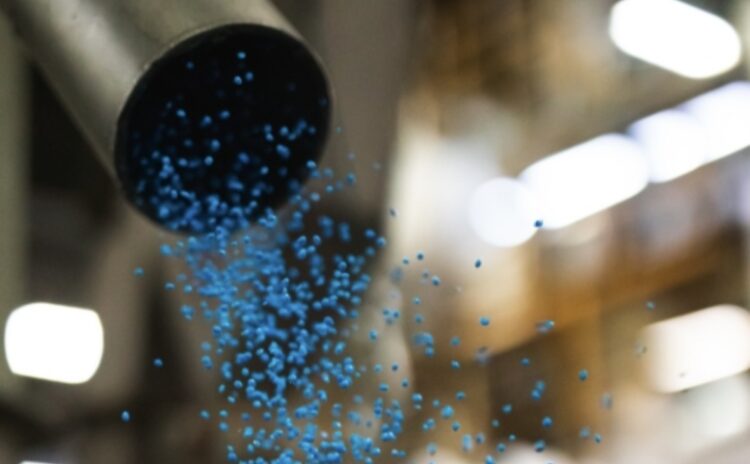
Matrix Polymers makes the raw plastic ingredients used to create large, hollow plastic items such as domestic water storage tanks. It formulates and grinds raw plastic into highly specific, colourful powders.
Based in Speke in South Liverpool, the company’s majority shareholder is Martin Coles with a 51% stake. The remaining 49% is owned by PTT Global Chemical Public Company.
In its annual accounts for the 12 months to December 31, 2025, Matrix Polymers reported a slight fall in revenues from £115.5m to £113.1m. Almost 70% of its sales come from outside of Europe with the remainder in the UK and Europe.
There was a significant improvement in margins with 2024’s pre-tax loss of £3.8m being reduced to £909,000. Writing in the annual report, Martin Coles said there had been a significant improvement in trading so far in 2026.
He explained the business had benefited from the exit from the European market of a major competitor. Martin added: “Since the end of the financial year strong positive development in financial performance has been seen.”
There had also been, he wrote, “challenging market conditions, especially in Europe and Oceania” with competition from lower priced competitor polymers. This had put pressure on the group’s margins.
READ MORE: Sales soar past £28m at Liverpool manufacturer
READ MORE: Liverpool Airport to push transatlantic connection
He also said: “Slight improvements in the market margin were observed, and some improvement with the group’s efforts in cost control. Volume has increased by 11%, but the declining material prices has resulted in the total group turnover similar to last year.
“Market demand in Europe continues to be affected by ongoing political tensions and subdued economic sentiment. Volume in Europe was roughly the same as last year.”
Comments are closed.